

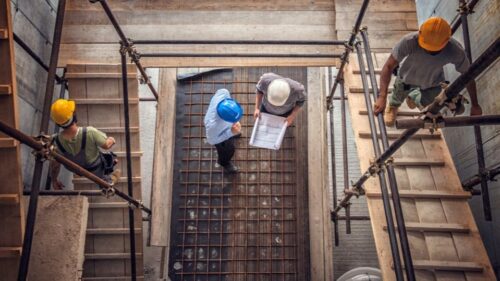
Our Risk & Safety team hosts a monthly roundtable with clients to share what’s working and what’s not on job sites. These conversations—which include a mix of owners, executive leadership, safety professionals, and foremen—are invaluable because they reveal real-world strategies that strengthen safety culture, reduce risk, and build more resilient teams. In our latest session, we explored everything from the rise of AI-powered tools to leadership development, preventing serious injuries, and staying ahead of new regulations.
What became clear is this: safety isn’t a checklist. It’s a mindset, a structure, and an ongoing commitment for the Construction industry. Here are the biggest takeaways.
Start with Serious Injuries and Fatalities
Job sites are full of hazards, but not all hazards are equal. Focusing on preventing serious injuries and fatalities (SIF) should always come first. Industry research continues to show that when leadership prioritizes SIF risks, overall safety performance improves.
Why? Because SIF prevention requires a proactive, not reactive, mindset. It forces teams to look beyond surface-level fixes and understand deeper, systemic risks. When crews see leaders modeling this “serious risks first” philosophy, it creates a culture where safety isn’t just expected—it’s embedded into daily decision-making.
Technology Is Transforming Safety
Technology is reshaping the industry. AI-powered safety tools can now scan jobsite photos and automatically identify hazards, saving teams hours of manual review and catching risks that might otherwise go unnoticed. Some platforms even generate customizable toolbox talks, helping field leaders deliver consistent messaging without starting from scratch.
Digital systems like 811 Spotter are also making utility coordination more reliable. These tools help track, validate, and document utility tickets, flag missing data, and reduce the likelihood of costly and dangerous utility strikes.
Communication platforms that bridge the office and the field are equally important. When planners, project managers, and superintendents can share real-time updates, drawings, and schedules, last‑minute decisions become less frequent, and job sites become safer and more predictable.
Leadership Development Matters
Promoting someone simply because they’ve “been around” doesn’t create strong leaders. The industry is shifting toward a more intentional leadership pipeline—one based on attitude, communication, and accountability.
Key strategies include:
- Hire for attitude, train for leadership. Skills matter, but the right mindset matters more.
- Leverage formal programs. AGC Leadership Academies and union-led programs offer high-quality training for emerging leaders.
- Provide follow-up support. Leadership training shouldn’t be a one-and-done event. Monthly touchpoints reinforce skills and keep leaders aligned.
- Host regular field leader meetings. Mid-season check-ins help identify challenges early and ensure everyone is operating from the same playbook.
When leaders at all levels understand the weight of their decisions, the entire safety ecosystem strengthens.
Accountability Drives Results
One client shared a powerful example: when crews come to the office after a utility hit involving equipment over $1,000, incidents dropped significantly. Why? It forces everyone to understand why it happened and take ownership.
Accountability changes behavior. When teams must talk through what happened and why, the learning becomes real and repeatable. Other high-impact accountability practices include:
- Gemba walks to role-play incidents and uncover true root causes.
- Quick, detailed reporting that takes 10 minutes and earns field buy-in.
- Documenting utility hits with photos or video to track repair costs and reduce repeat mistakes.
These are small investments with large, long-term returns.
Hire for Safety
Companies are increasingly recognizing the value of bringing in people with strong discipline and leadership instincts—traits commonly found among former public-sector workers and military veterans. Programs like Hiring Our Heroes and Eagles Group help organizations tap into this skilled workforce.
When safety roles are filled by people who naturally take ownership, teams benefit from clearer expectations, strong follow-through, and an elevated standard of professionalism.
Prepare for New OSHA Standards
A new OSHA heat standard is on the horizon, and job sites should start preparing now. Heat-related illness prevention will soon require more structured protocols, including monitoring temperatures, ensuring proper hydration, and establishing clear emergency procedures. Getting ahead of this regulation isn’t just about compliance. It’s about protecting crews from preventable harm.
Communication Is Key
At every level, clear communication drives safer outcomes. Digital tools can help the office assign tasks and share plans with the field to bridge gaps and reduce risk, but they work best when paired with leaders who understand the impact of their words, their planning, and their expectations.
Safety is an Investment in Your Future
Safety isn’t just about rules. It’s about leadership, accountability, and continuous improvement. By leveraging technology, investing in people, and fostering open communication, we can create safer job sites and stronger businesses.
Our Construction and Risk & Safety experts are ready to help you strengthen your safety culture in 2026 and beyond. If you’d like to explore any of the strategies above or discuss challenges on your job sites, reach out anytime. We’re here to help you build safer, stronger, and more resilient operations.